
View Gallery


Organizer
Rococo Gardens
info@rococogarden.org.uk+ 44 (0) 1452 813204
Time
January 1, 2026 10:00 am - march 1, 2026 5:00 pm
Event Details
Delicate, pure, and steeped in history, snowdrops have enchanted gardeners and plant enthusiasts for centuries. At Painswick Rococo Garden, these dainty blooms create one of the most breathtaking naturalised displays
Event Details
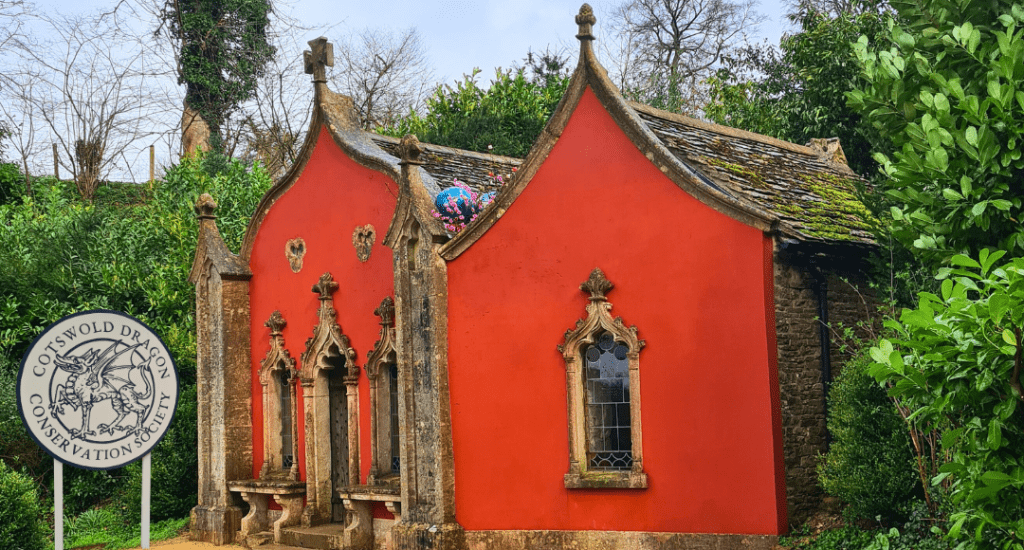
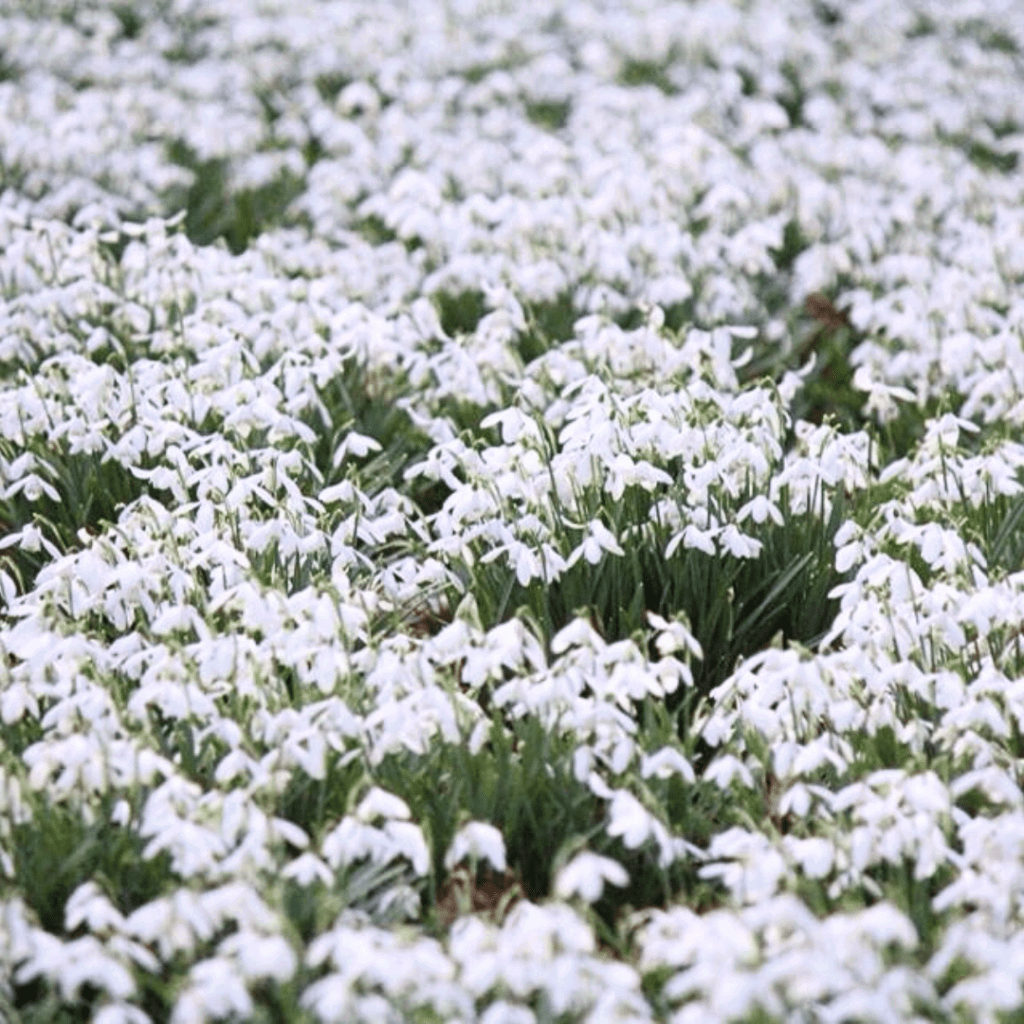
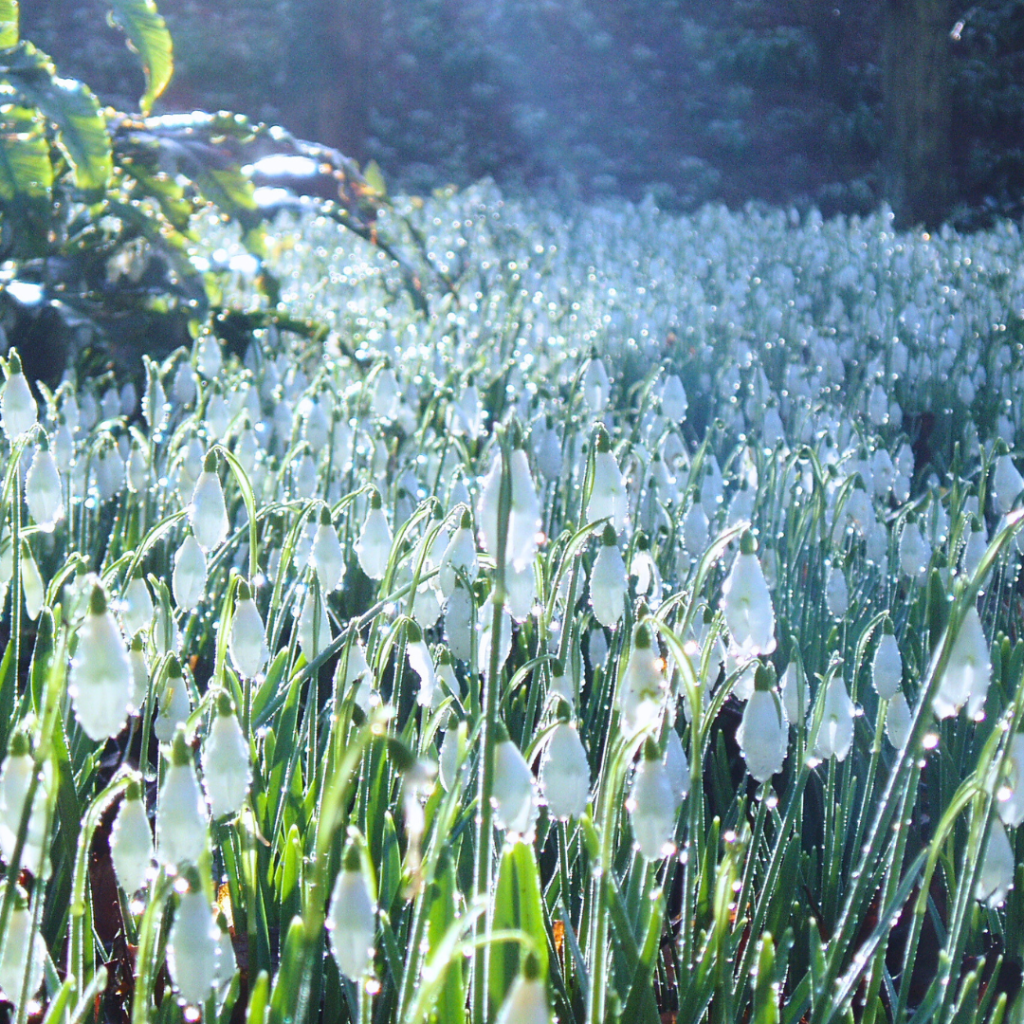
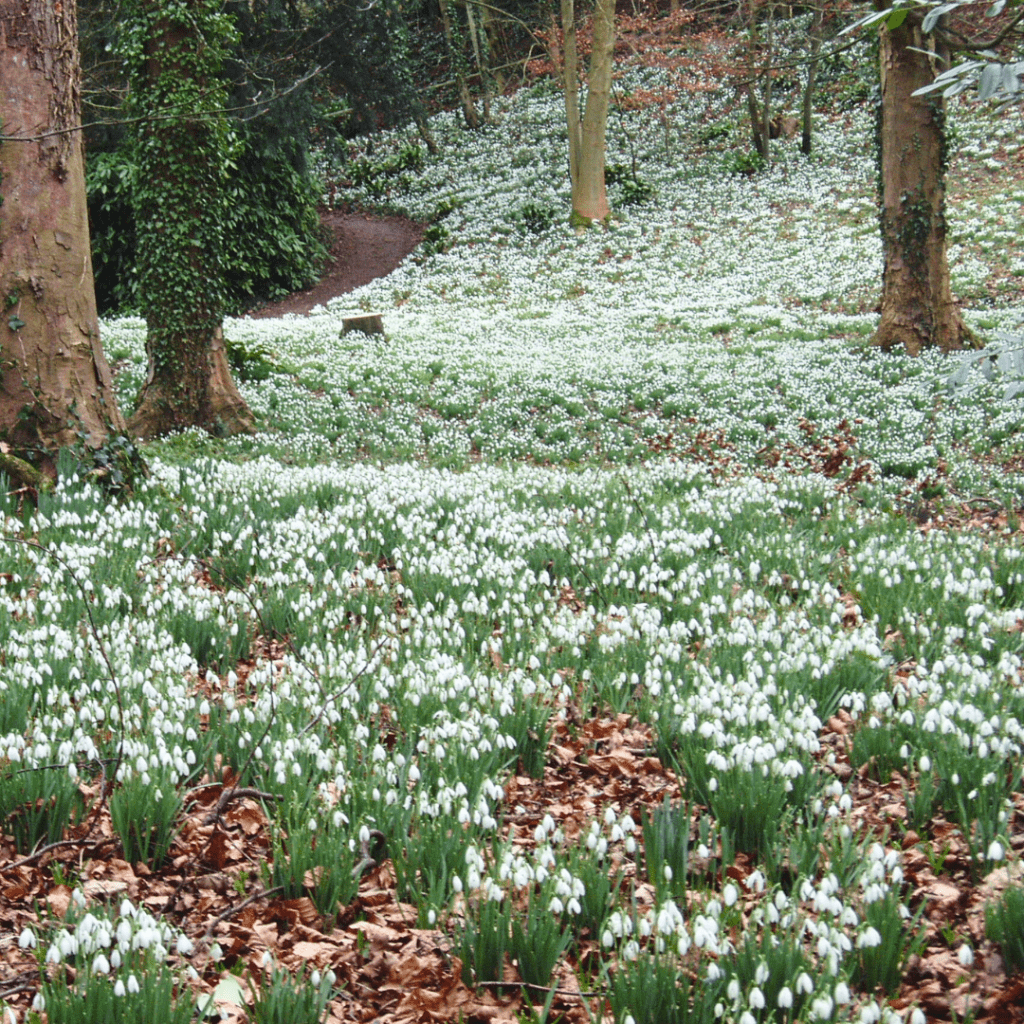
Delicate, pure, and steeped in history, snowdrops have enchanted gardeners and plant enthusiasts for centuries. At Painswick Rococo Garden, these dainty blooms create one of the most breathtaking naturalised displays in the UK, with over five million snowdrops carpeting the garden in late winter.
A Brief History of Snowdrops
The earliest recorded name for snowdrops was ‘Bulbous Violet’. These plants first appeared in European gardens during the sixteenth century. By 1633, they were officially referred to as ‘snowdrops’ in Gerard’s Herbal. Their Latin name, Galanthus, translates to ‘milk-flower,’ while the species name nivalis references their snowy habitats in the eastern Mediterranean region.
Snowdrops were introduced to Britain sometime between 1500 and 1599, making their way across Europe from the Pyrenees to Ukraine. Their enduring appeal has only grown since then, bolstered by both folklore and practical uses.
Myth and Medicine
According to a Christian legend, the snowdrop first appeared when an angel comforted Eve after her fall from Paradise. As snowflakes fell, the angel caught one, breathed life into it, and transformed it into the first snowdrop, a symbol of hope and renewal.
In addition to their symbolic significance, snowdrops have been prized for their medicinal properties. The bulb contains compounds believed to aid in healing wounds and bruises. However, an old superstition warns against bringing snowdrops indoors, as they were thought to bring bad luck or even a death in the family.
Blooming Legacy
No one knows how the snowdrops arrived in the garden in such large numbers – it remains a mystery to this day.
Each year, visitors flock to the Rococo Garden to witness this natural wonder. The sight of millions of snowdrops blanketing the historic landscape is a timeless reminder of nature’s beauty and resilience. Whether you’re a seasoned snowdrop enthusiast or a curious newcomer, the Rococo Garden’s collection offers a glimpse into both the past and the enduring allure of these ‘milk-flowers.’
Witness Natural History
With over five million snowdrops, the 18th-century Rococo Garden boasts one of the finest displays of naturalised snowdrops in the country. The breathtaking spectacle features at least 15 different varieties, including the creamy, ruffled blooms of Galanthus ‘Lady Elphinstone’ and the green-tipped G. ‘Viridapice’. Among these treasures is G. ‘Lyn’, named after the wife of renowned plantsman John Sales, who discovered it in the woods near Cirencester.
The Garden takes particular pride in its collection of G. ‘Atkinsii’, one of the oldest known hybrids. This variety was named after James Atkins, a Northamptonshire nurseryman and plant hunter who lived in Painswick from 1849 until his death in 1884. Believed to have been collected during a trip to Naples, G. ‘Atkinsii’ was planted in the Rococo Garden shortly after its discovery. It is celebrated as one of the tallest and earliest flowering snowdrops of the new year, with its large, elegant blooms, occasionally graced with a rare fourth petal.
Plan Your Visit
This winter, immerse yourself in the wonder of snowdrops and experience the serene beauty of this historic garden. Whether it’s your first time or a cherished annual tradition, the snowdrops at Rococo Garden promise to captivate and inspire.
Opening Times: From 17 January to 1 March inclusive, the Garden will be open daily between 10-5pm (last admission 4pm).
Monday to Friday: Daily talk with the member of the Garden Team at 2pm.
During February, admission will be via advance booking only.